


1950

's
The 1950s saw television become the dominant medium for entertainment and news, with NBC introducing programs that still exist today, like TODAY and The Tonight Show. In 1950, just 9% of U.S. households owned a television set. By the end of the decade, the percentage had skyrocketed to almost 90%. In living rooms across America, the radio was relegated to a corner while the TV moved front and center.
1950
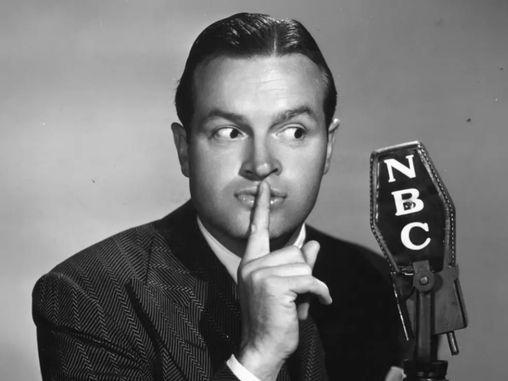
NBC brings Bob Hope from radio to television
As television began to take hold, NBC programming executive John Royal reached out to radio star Bob Hope to bring him to the new medium. Hope initially declined, choosing to remain in radio. A year later he made his NBC television debut with an Easter Sunday special that became one of the most-watched programs in early TV history, drawing an audience share nearing 90%. He would go on to headline 284 television programs on NBC.
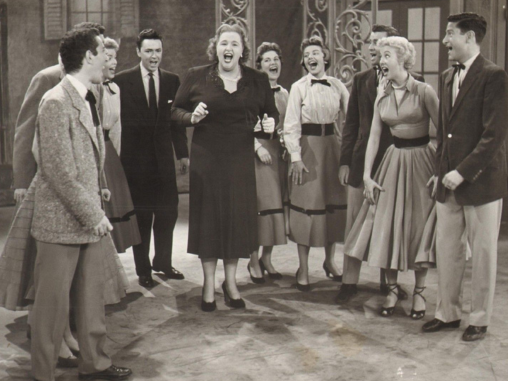
The Kate Smith Hour premieres on NBC
Beloved singer Kate Smith, famous for her rendition of "God Bless America," transitioned from radio to television with The Kate Smith Hour. The daily variety program was the first network daytime television show.
1951
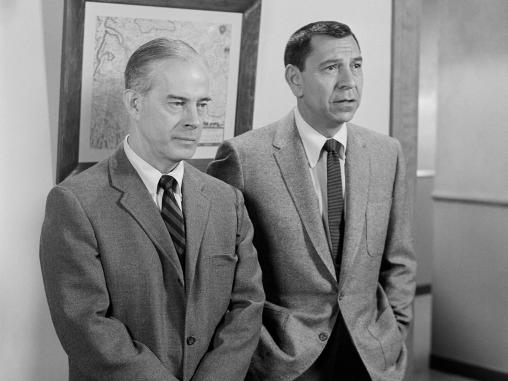
NBC's Dragnet debuts as one of TV's earliest and most successful crime series
Dragnet began on NBC in 1949 as a radio show and moved to television two years later. It ran until 1956 and then was revived for a second run from 1967 to 1970. Shown here are the stars of the second version, Harry Morgan and Jack Webb.
1952


TODAY becomes the first network early-morning show, with David Garroway as its first host
This is how Garroway opened the first show. Now, more than 60 years later, millions of people begin their day with Today.

1953
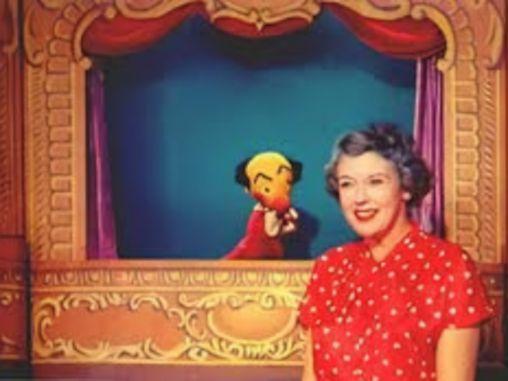
NBC begins the first compatible color broadcasts
An episode of Kukla, Fran and Ollie was the first publicly announced experimental broadcast in compatible color, preceding other networks by nine years.
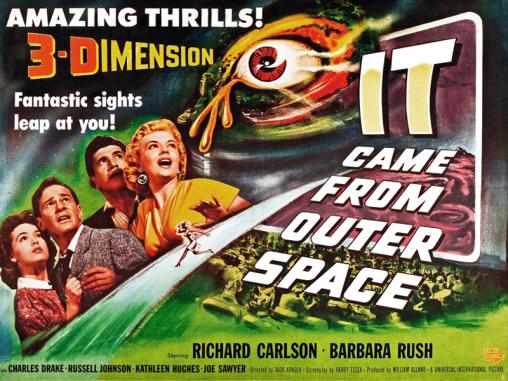
Universal releases its first 3-D film, It Came From Outer Space
The sci-fi thriller was based on a story by Ray Bradbury.
1954

The Tonight Show, TV's first successful late-night talk show, debuts on NBC with Steve Allen as host
Allen originated features of late-night television that are now long familiar to viewers, such as the opening monologue and celebrity interviews. He broadcast the show from the Hudson Theatre on West 44th St. in New York City.

Satin and Spurs paves the way for multiple commercial advertisers during a single program
Yet another programming idea from the fertile imagination of Pat Weaver, the "spectacular" broke with the then-standard custom of airing programs sponsored (and controlled) by a single advertiser, in favor of a program controlled by the network, with commercial time sold to multiple advertisers.
1955

NBC Radio introduces a new weekend radio program, Monitor
The eclectic mix of programming from around the world was a critical and popular success. It ran for 20 years, keeping NBC Radio alive in an era focused on television.
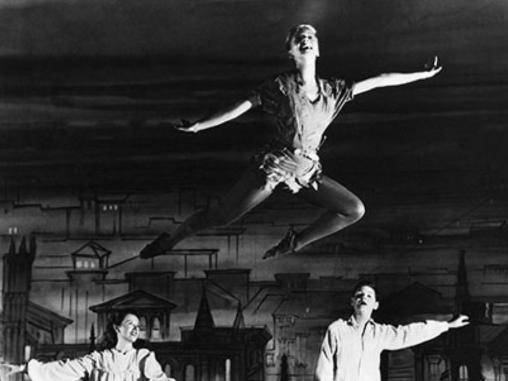
A record-breaking 65 million viewers tune in to Peter Pan
Broadcast live and in color on NBC, the live telecast of Peter Pan starring Mary Martin drew a record-breaking estimated audience of 65 million. NBC would again present a live production of Peter Pan 59 years later in December of 2014 with Allison Williams as Peter Pan and Christopher Walken as Captain Hook.
1956
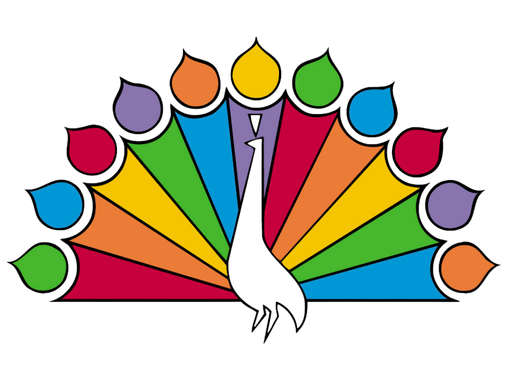
NBC’s peacock logo debuts
To promote NBC’s color programming (and sales of color TV sets made by NBC’s owner, RCA), NBC introduced a brightly-colored eleven-feathered peacock logo and the famous voiceover “The following program is brought to you in living color on NBC.”
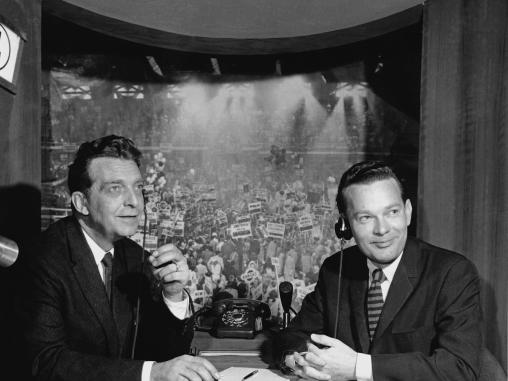
Chet Huntley and David Brinkley gain national acclaim for their election coverage and their subsequent Huntley-Brinkley Report on NBC
On the evening newscast, Chet Huntley reported from New York and David Brinkley from Washington. Their closing lines became one of television’s best-known catchphrases: “Goodnight, Chet. Goodnight, David. And goodnight, for NBC News.”
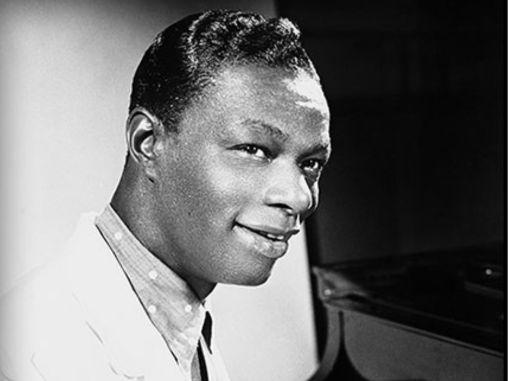
Nat King Cole becomes the first major black artist to have his own network series, on NBC
The show was the first national broadcast TV show hosted by a black person, featuring an array of guest stars and Cole’s on-screen charm.
1957
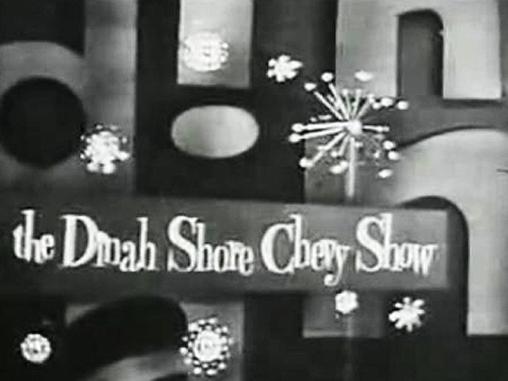
NBC debuts Wagon Train and The Dinah Shore Chevy Show, the first television westerns
Wagon Train was one of the first of what became an avalanche of Westerns on TV in the late 1950s. In 1958, there were 31 westerns on prime-time television. Balancing this was the folksy Dinah Shore, with her trademark hand-to-mouth smooch – “mwah!”
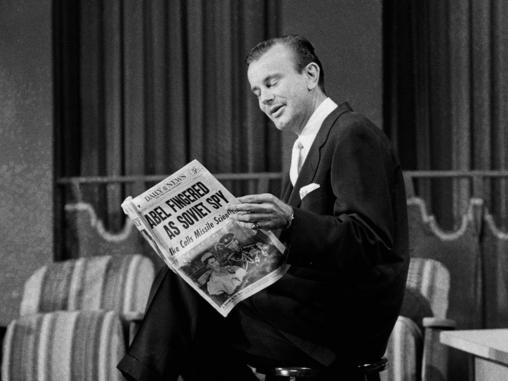
Jack Paar becomes host of The Tonight Show on NBC
With Paar, the show would relocate to Studio 6B in the RCA Building. In 1960, Paar famously walked off the program in protest to NBC management who had censored a water-closet joke, saying “There must be a better way of making a living than this.” A month later, after having spent a few weeks in Hong Kong trying to calm down, he returned, admitting that he couldn’t find a better way after all.
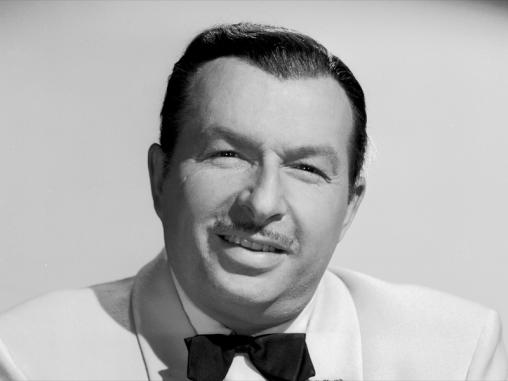
NBC features the first Spanish prime time star in Xavier Cugat
The Xavier Cugat Show on NBC featured the first Spanish prime time star, Xavier Cugat, introducing Latin American dance music to audiences all over the US.
1959

Bonanza, the first TV Western series in color, begins its 14-year run on NBC
Bonanza helped color TV set ownership go from virtually nonexistent to more than 50% by 1971.


